Japanese Flavors.
Local Grocery Store.
Zero Stress.
The ultimate guide to cooking delicious, everyday Japanese meals using ingredients found in any American supermarket.
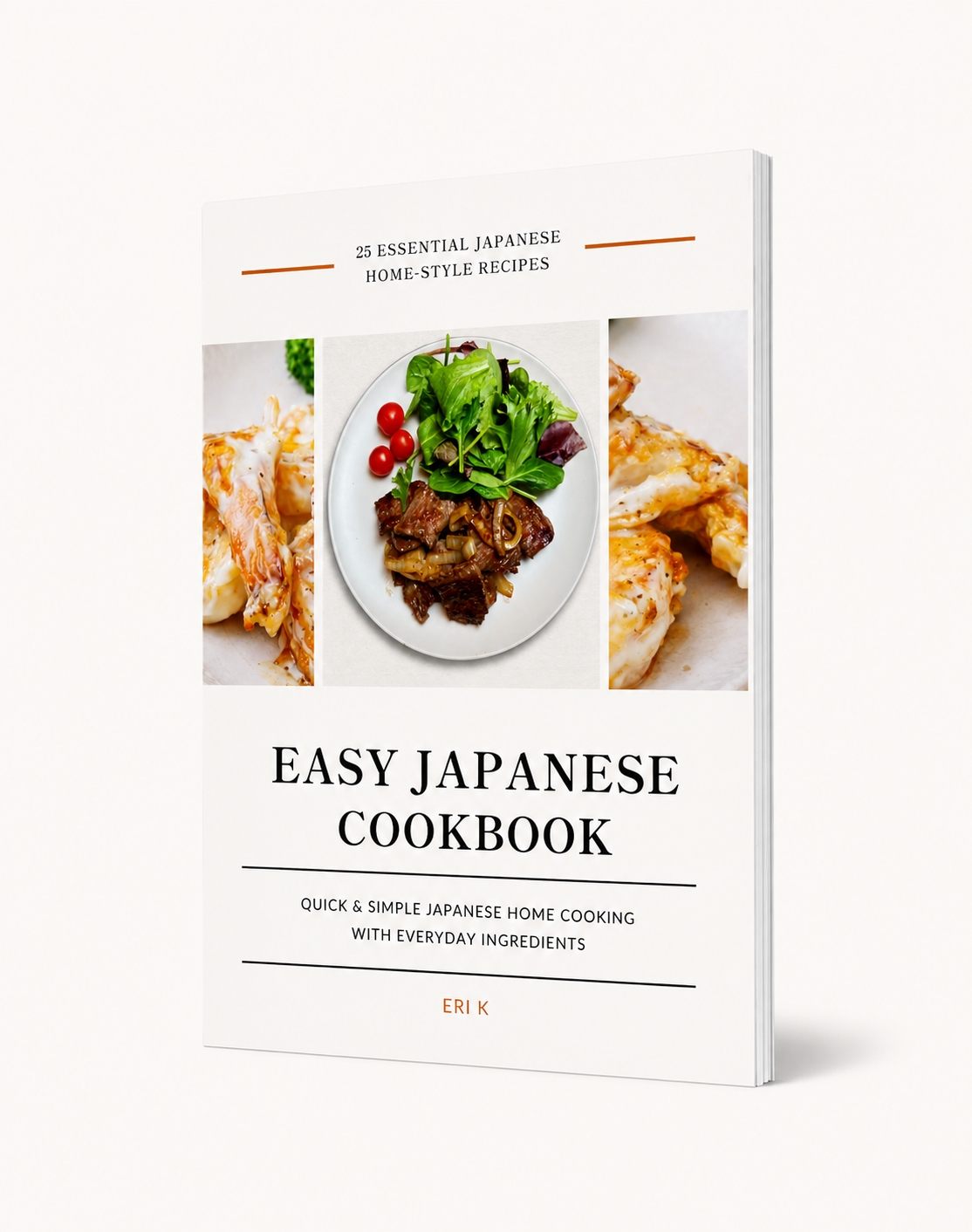
What's Inside
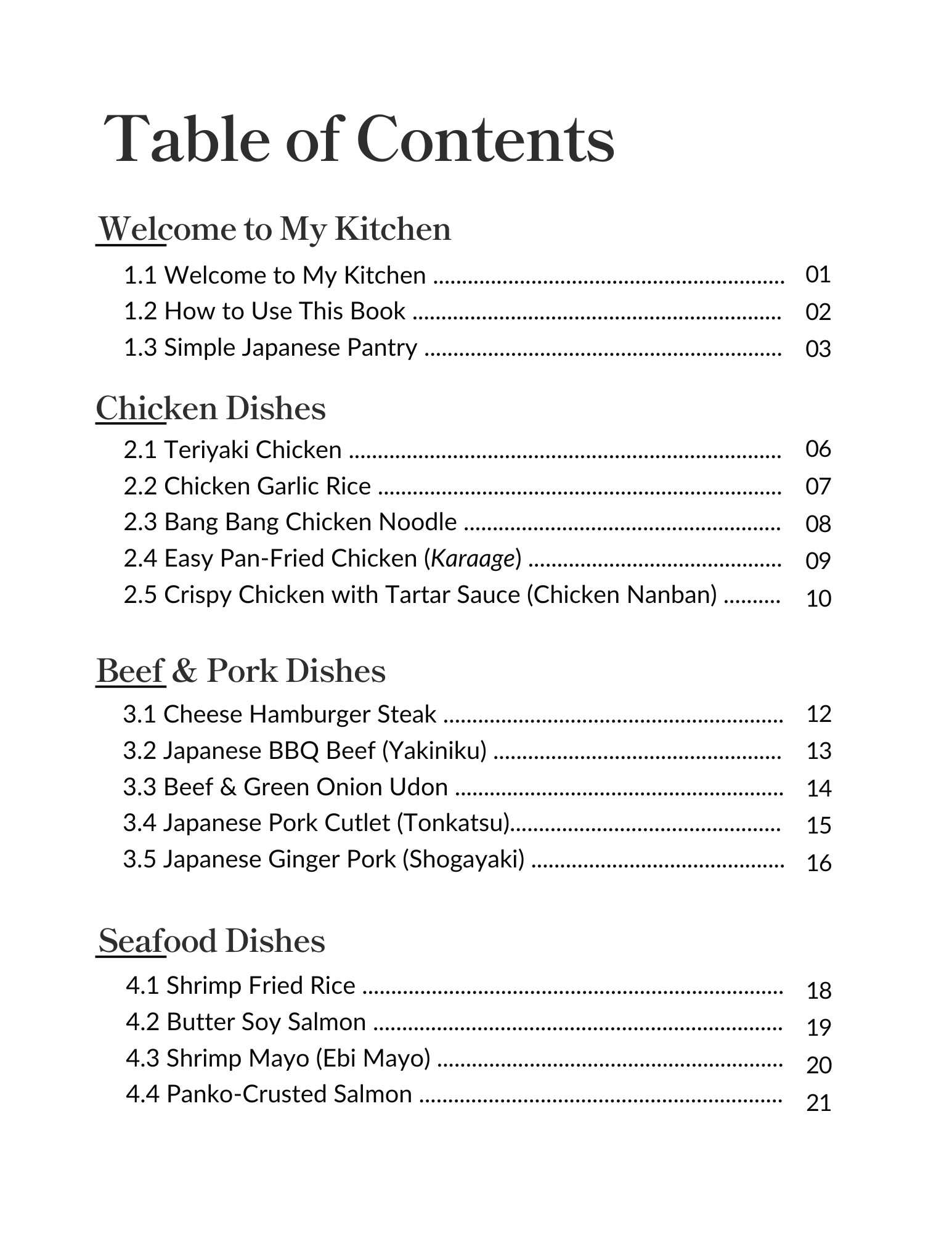
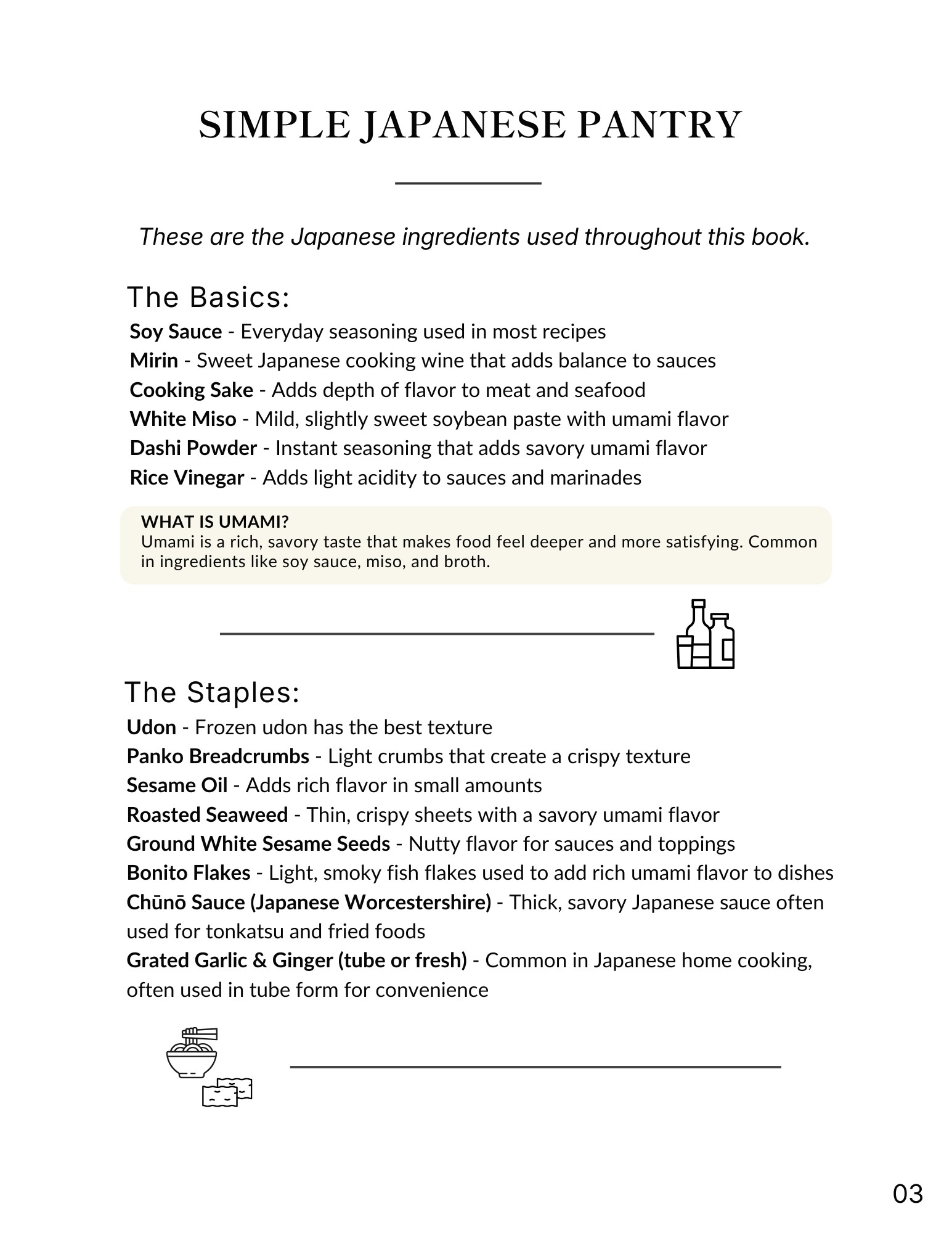
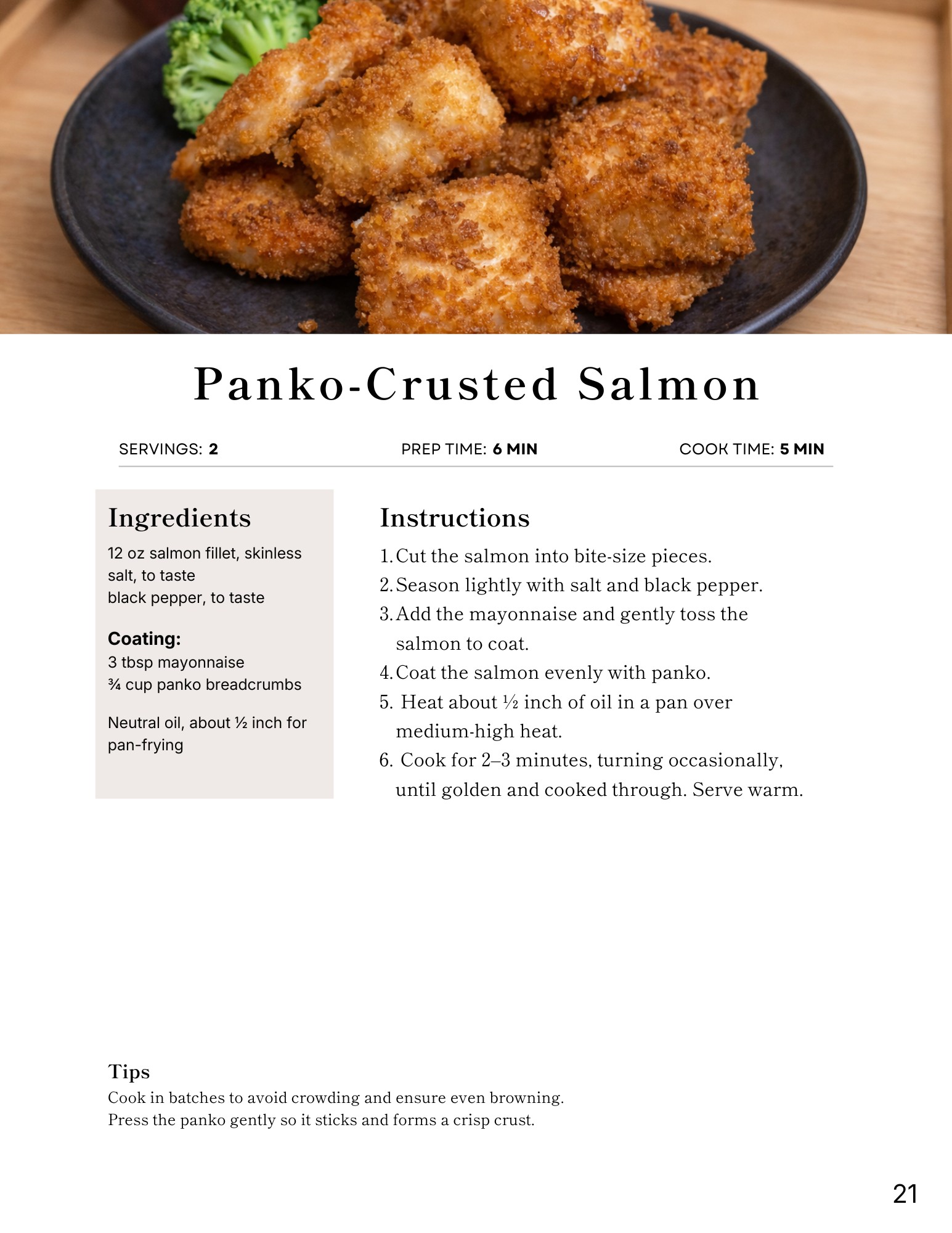
Peek inside the pages. Clear instructions, beautiful photography, and tips for every home cook.
Creamy Sesame Udon Salad
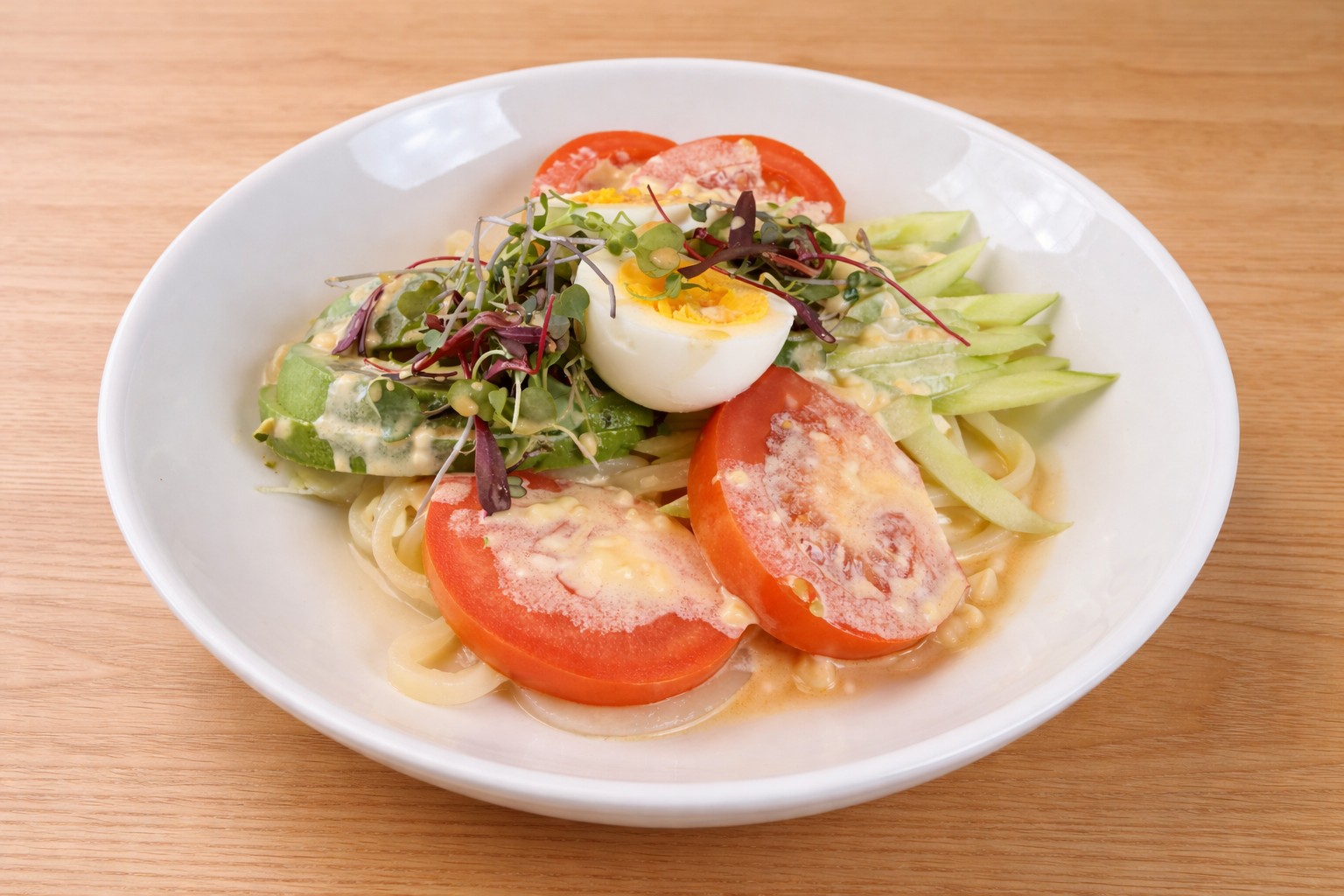
Ingredients
- 2 packages of frozen udon
- 2 boiled eggs, halved
- 1 avocado, sliced
- ½ English cucumber, julienned
- ½ tomato, cut into wedges
- 4 tbsp mayonnaise
- 1 tbsp soy sauce
- 1 tbsp rice vinegar
- 1 tsp sugar
- 1½ tbsp olive oil
- microgreens
Instructions
1.
Cook the udon according to package instructions. Rinse under cold water and drain well.
2.
In a bowl, mix all the sesame dressing ingredients until smooth.
3.
Place the udon in bowls and top with avocado, cucumber, tomato, and egg.
4.
Drizzle with the dressing and finish with microgreens.
Like this? There are 24 more in the book!
What's in your pantry?
Select what you have, and we'll tell you what you can make.
Based on your pantry...
With 4 more ingredient(s) you could cook Miso Soup!
Kitchen Questions
Frequently Asked Questions
Answers to the ingredient, substitution, and pantry questions that come up most often when you are starting to cook Japanese food at home.
What ingredients should I buy first?
If you're just getting started, I recommend:
- Soy sauce
- Mirin
- Cooking sake
- Rice vinegar
- Dashi powder
These five ingredients are used in many Japanese home-style recipes and will cover most of the recipes in my cookbook.
What is mirin?
Mirin is a sweet Japanese cooking wine that adds balance, shine, and depth to sauces. It is commonly used in teriyaki sauce, rice bowls, and marinades.
What is cooking sake?
Cooking sake is Japanese rice wine made for cooking. It helps remove odors from meat and seafood while adding subtle flavor to sauces and simmered dishes.
What is dashi?
Dashi is a traditional Japanese stock that provides savory umami flavor. Many home cooks use dashi powder because it is quick, convenient, and easy to store.
Can I substitute mirin?
If you don't have mirin, you can mix:
- 1 tbsp sugar
- 1 tbsp cooking sake
This will not be exactly the same, but it works well in many recipes.
Can I skip cooking sake?
Usually, yes. Most recipes will still taste good without it, though some depth of flavor may be lost.
You can replace it with water or a small amount of chicken broth if needed.
What soy sauce should I buy?
For beginners, I recommend regular Japanese soy sauce such as Kikkoman. It is versatile, easy to find, and works well in almost every recipe in this cookbook.
What type of rice should I use?
Japanese short-grain rice gives the best results. In most grocery stores, look for:
- Japanese rice
- Sushi rice
- Short-grain rice
These varieties have the texture commonly used in Japanese home cooking.
Can I use regular breadcrumbs instead of panko?
Yes, but panko creates a lighter and crispier coating. For dishes like tonkatsu or panko-crusted salmon, panko is highly recommended.
Where can I buy Japanese ingredients?
Most ingredients can be found at:
- Walmart
- Target
- Kroger
- Costco
- Asian grocery stores
- Online retailers
I have also included my favorite pantry items and tools on this website.
Is Japanese food healthy?
Many Japanese home-style meals include:
- Lean proteins
- Vegetables
- Rice
- Simple seasonings
Like any cuisine, it depends on the ingredients and portions, but many everyday Japanese dishes are balanced and satisfying.
Do I need special equipment?
No. Most recipes in this cookbook can be made with:
- A frying pan
- A pot
- A cutting board
- A knife
Specialty tools are optional, not required.
Why do so many Japanese recipes use soy sauce, mirin, and sake together?
This combination creates the classic balance of:
- Salty (soy sauce)
- Sweet (mirin)
- Savory depth (sake)
Many Japanese sauces are built around these three ingredients.
What does "umami" mean?
Umami is often described as a savory, rich, satisfying taste. Common sources of umami include:
- Soy sauce
- Miso
- Dashi
- Mushrooms
It helps food taste deeper and more flavorful.
How long do pantry ingredients last?
Most pantry staples last several months after opening when stored properly.
Always follow the storage instructions on the package and check expiration dates.
Still building your pantry? Start with the essentials first, then add more as you cook through the book.
See Pantry StaplesJapanese Pantry Guide
My Japanese Pantry Staples
These are the simple, everyday ingredients that make the recipes in the book easier to cook on a normal weeknight.
The 6 Essentials
Used in the most recipes
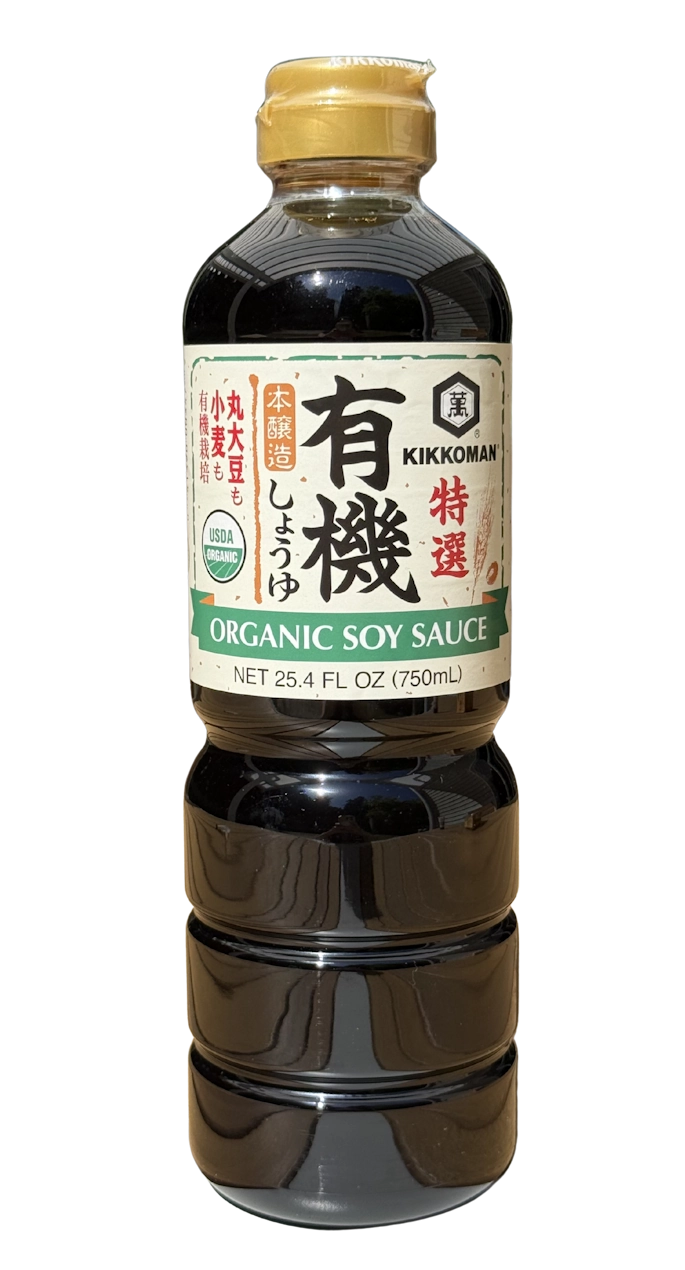
Soy Sauce
The everyday seasoning used in marinades, sauces, stir-fries, and most recipes.
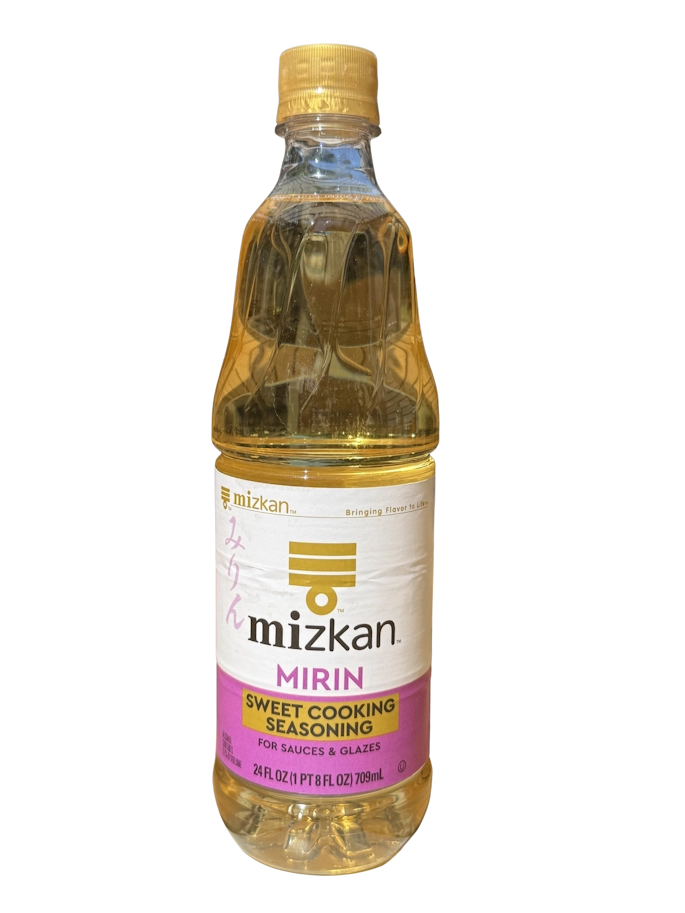
Mirin
Sweet Japanese cooking wine that adds shine, mild sweetness, and balance.
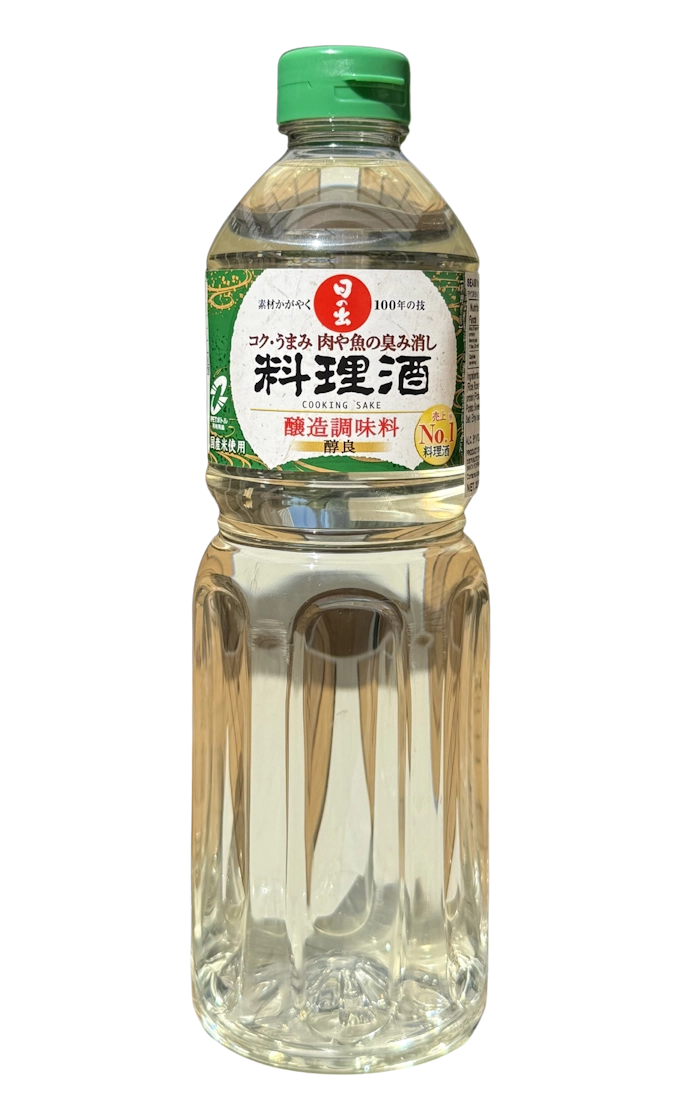
Cooking Sake
Adds depth and richness to meats, seafood, sauces, and simmered dishes.
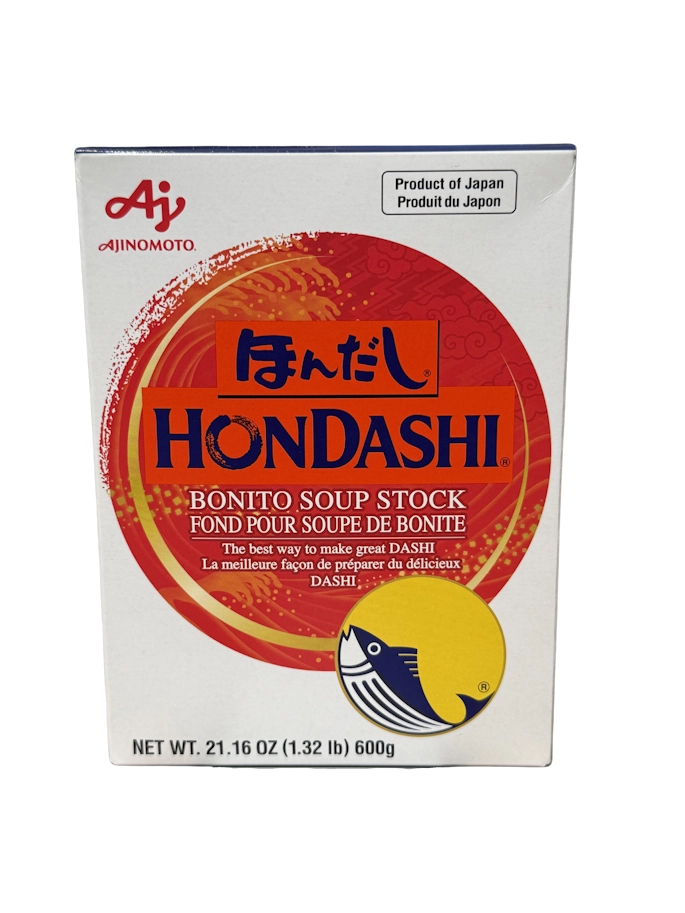
Dashi Powder
Instant seasoning that brings savory umami to soups, broths, and more.
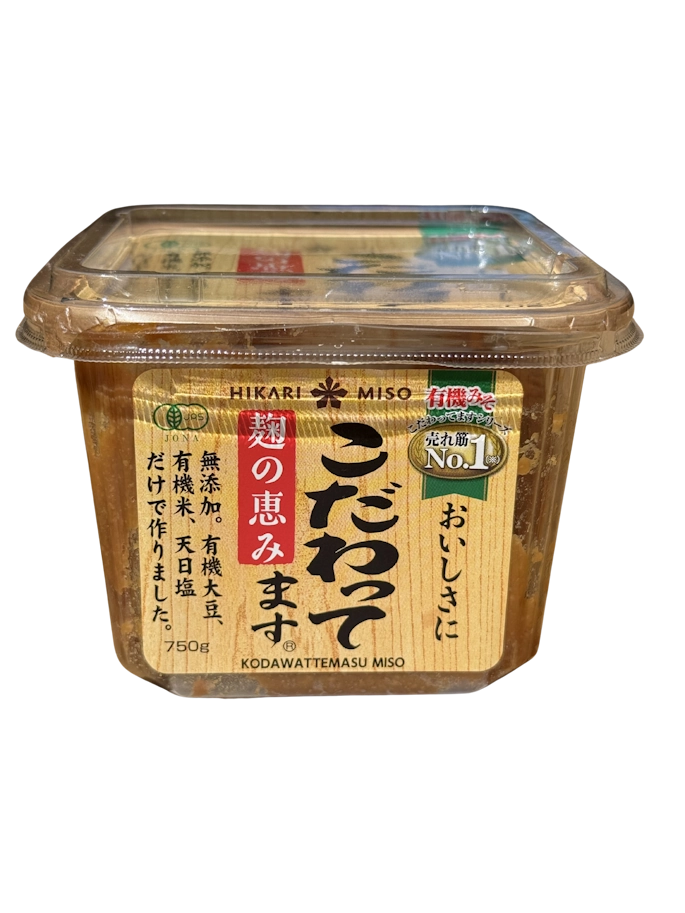
White Miso
Mild, slightly sweet soybean paste with rich umami flavor.
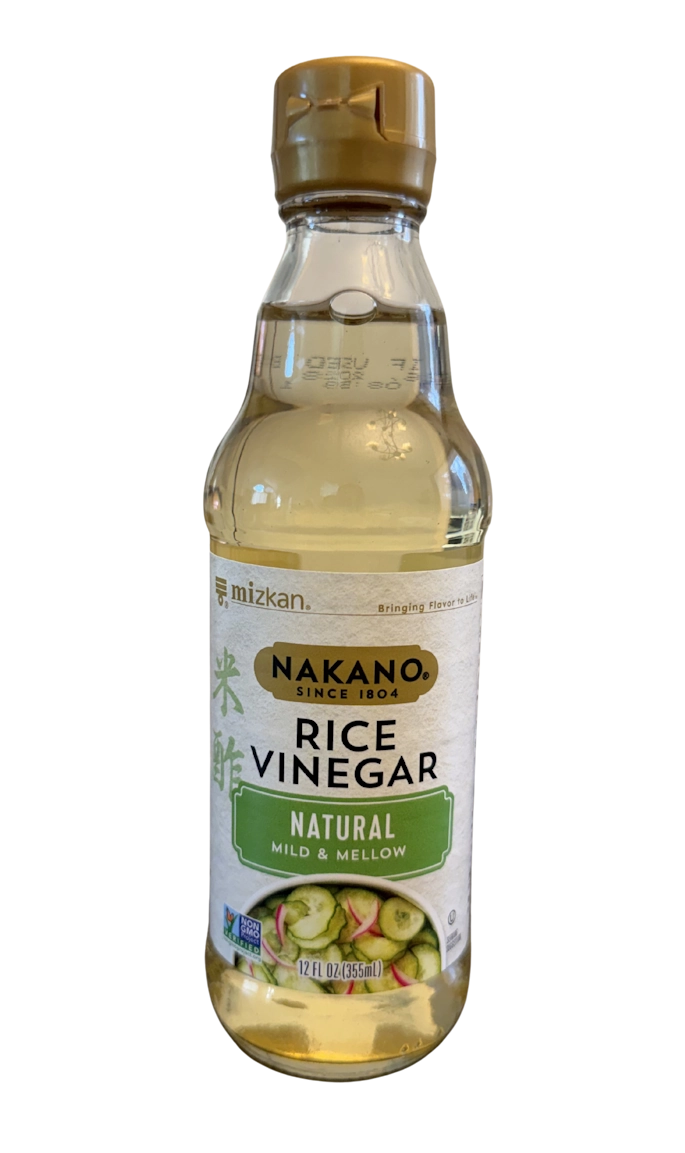
Rice Vinegar
Adds light acidity that brightens sauces, dressings, and marinades.
Helpful Add-Ons
Great to have on hand
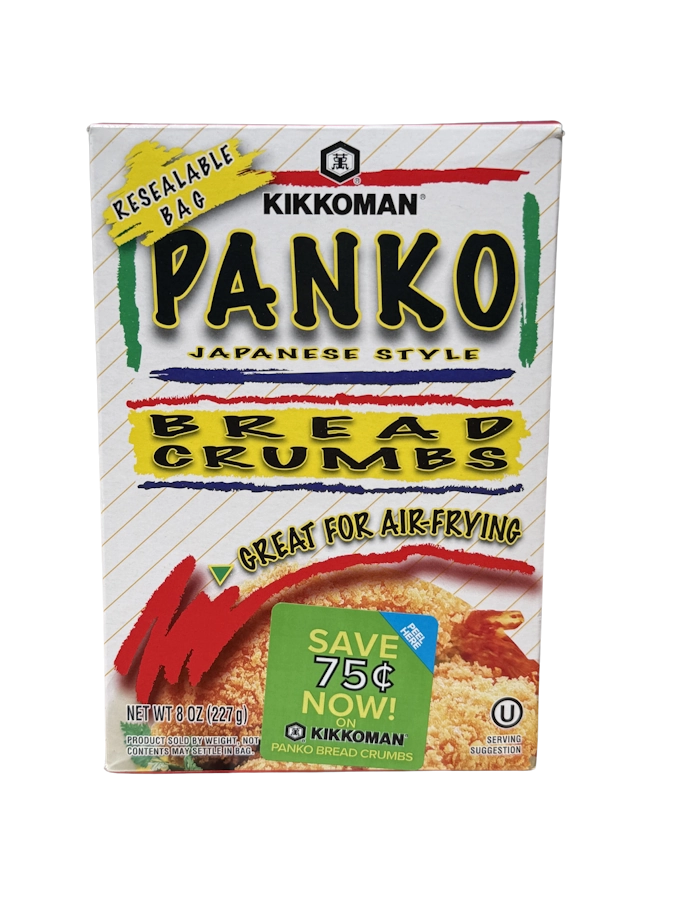
Panko Breadcrumbs
Light, airy crumbs that create the perfect crispy coating.
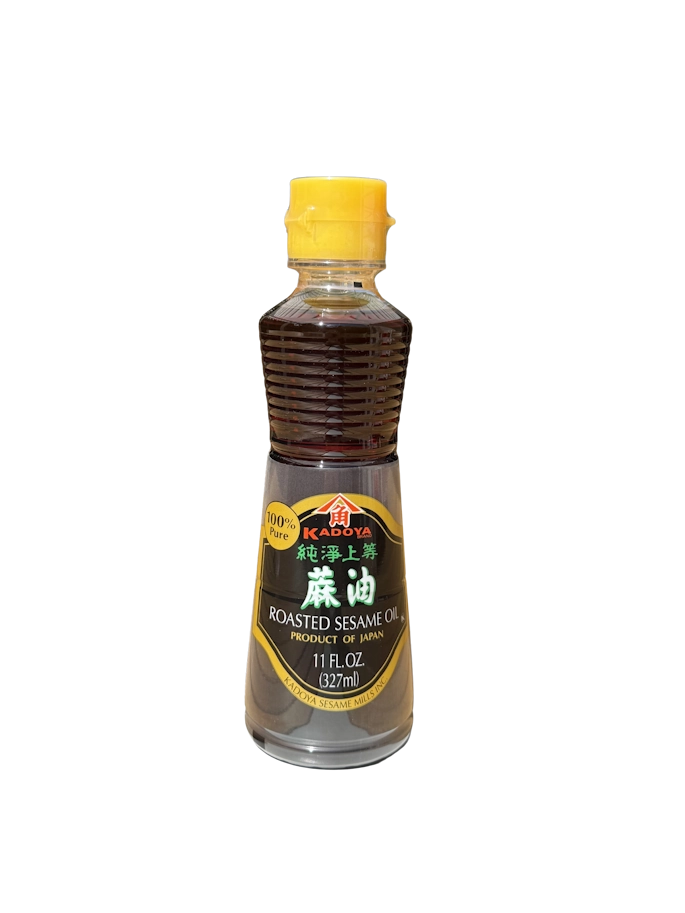
Sesame Oil
Adds a rich, nutty aroma and flavor in small amounts.
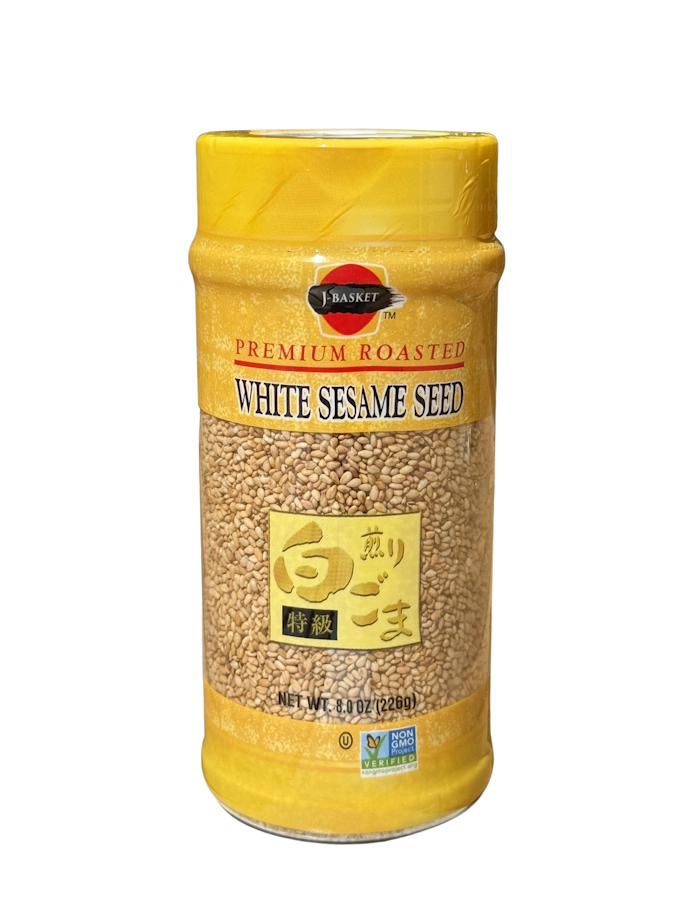
Ground White Sesame Seeds
Nutty and aromatic, perfect for toppings and sauces.
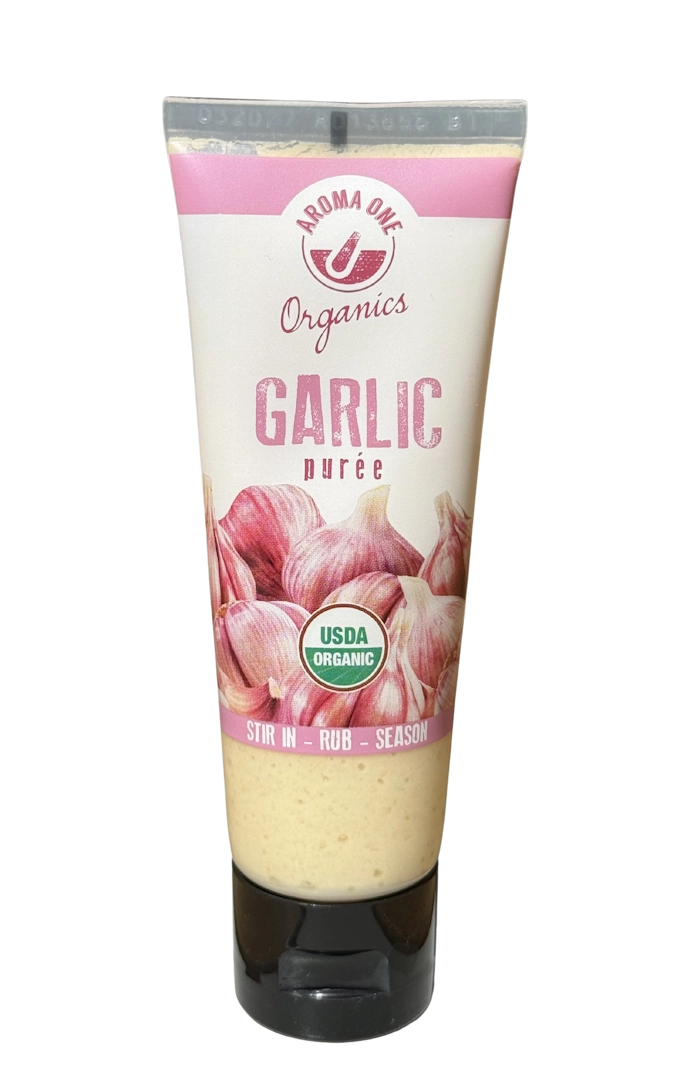
Grated Garlic Paste
Saves time and adds convenient, fresh garlic flavor.
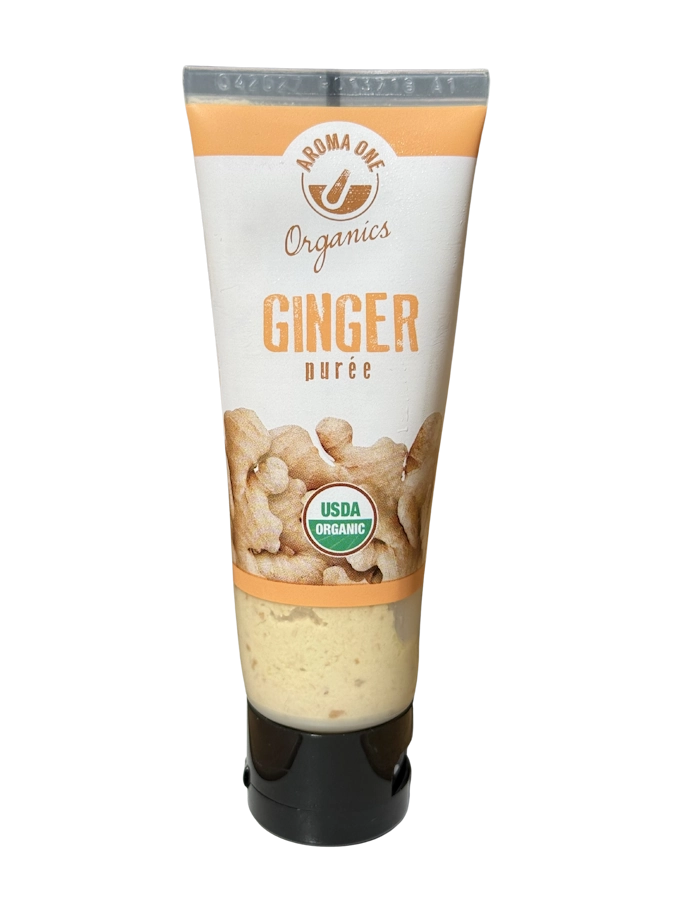
Grated Ginger Paste
A fast way to add fresh ginger flavor to any dish.
Nice To Have
Use in select recipes
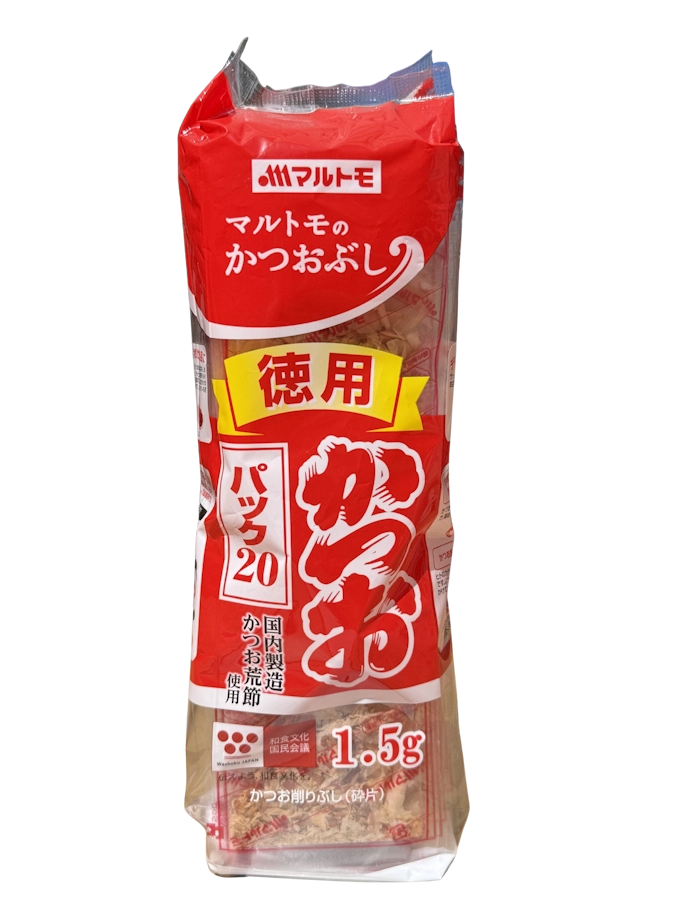
Bonito Flakes (Katsuobushi)
Light, smoky flakes that add deep umami flavor.
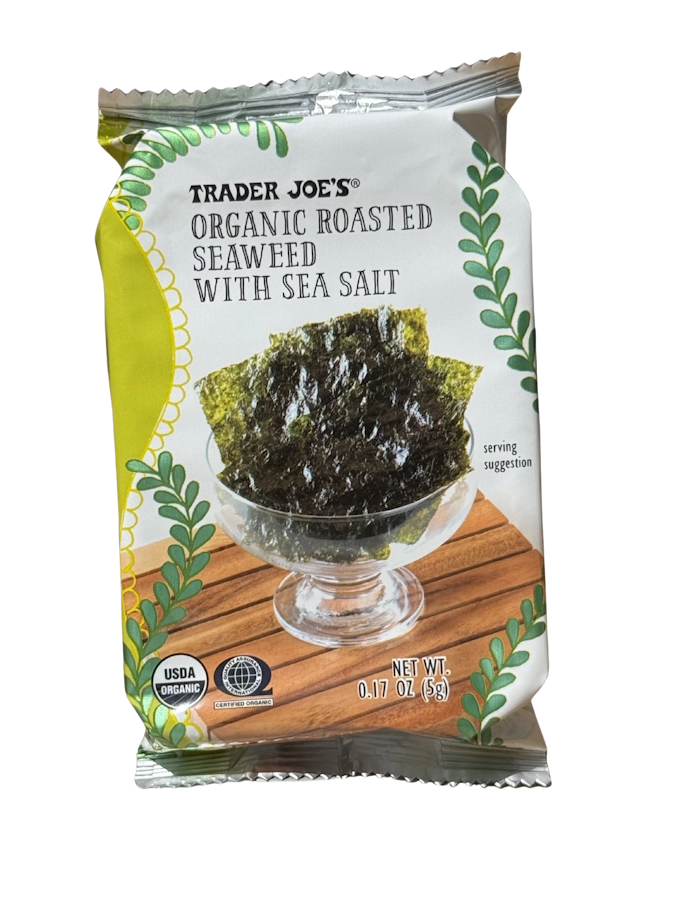
Roasted Seaweed (Nori)
Thin, crispy sheets with a savory marine taste.
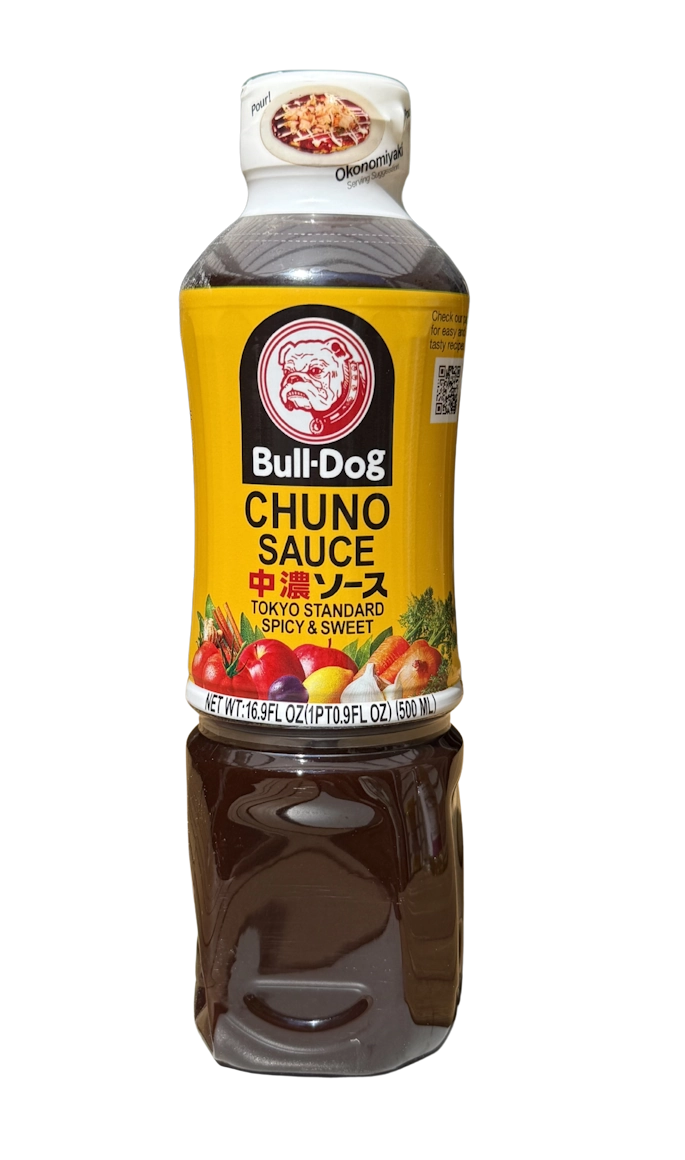
Chuno Sauce (Japanese Worcestershire)
Thick, savory sauce often used for tonkatsu and fried foods.
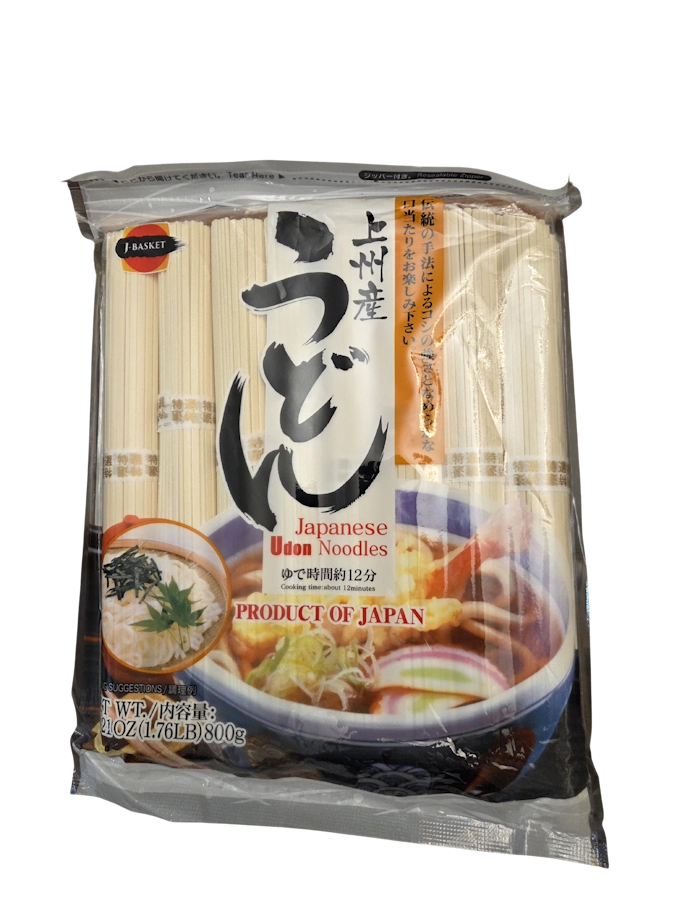
Udon
Chewy, satisfying noodles perfect for quick meals.
Tip: You do not need everything at once. Start with the 6 essentials, then add more as you cook your way through the recipes!
We recommend versatile staples that make the recipes in the book easier to cook with confidence.
As an Amazon Associate, we earn from qualifying purchases.

Meet the Author
Hi, I'm Eri. I grew up in Japan enjoying simple home-cooked meals and later moved to the United States, where I learned how to recreate those familiar flavors using ingredients found in local grocery stores.
I created Quick Japanese Kitchen to make Japanese cooking approachable for everyday home cooks. My recipes focus on simple ingredients, clear instructions, and comforting meals that fit into busy schedules.
I hope these recipes help you bring authentic Japanese flavors to your own kitchen. Happy cooking!
Eri